

Understanding Multi-Expert Models: A New Frontier in AI
Recent advancements in AI have introduced the concept of multi-expert models, a significant shift from traditional singular neural networks. These models involve multiple expert networks collaborating to process information, each specializing in different facets of a problem. Such a setup mimics human problem-solving strategies, where diverse expertise converges for optimal results.
Multi-expert models divide the task into subtasks, assigning each to a specialized neural network or “expert.” The outputs are then consolidated to arrive at a comprehensive solution. This architecture bolsters the model’s ability to handle complex and varied data inputs, enhancing accuracy and adaptability.
The Mechanics: How Multi-Expert Models Operate
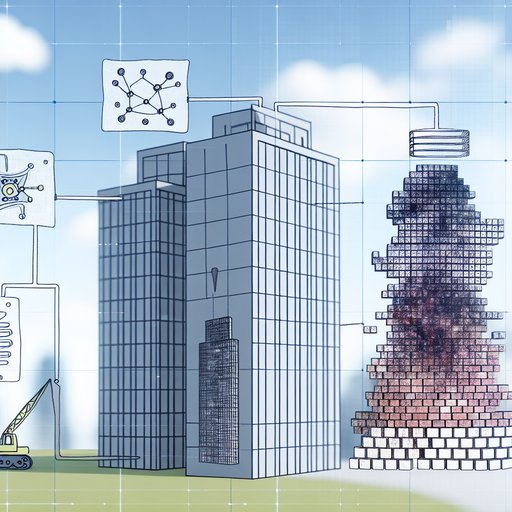
Multi-expert models operate through a “mixture of experts” approach, where different mechanisms decide which expert should handle a specific input. This decision-making process is often managed by a gating network, which assigns weights to each expert based on its relevance to the input. The final decision amalgamates the contributions from all experts, weighted by their assigned importance.
This structure allows for flexibility and precision, enabling models to manage diverse datasets more effectively than monolithic architectures. For instance, in image processing, distinct experts could focus on texture, color, and shape, integrating their outputs to form a cohesive interpretation.
Real-World Applications: From Healthcare to Climate Modeling
The application of multi-expert models spans numerous industries, providing tailored solutions to complex problems. In healthcare, they enhance diagnostic systems by analyzing multiple parameters with higher precision, leading to more accurate patient assessments. In climate modeling, they integrate data from different sources, offering more reliable predictions and insights.
Moreover, companies like Google’s DeepMind and OpenAI are increasingly leveraging these models to refine AI’s problem-solving capabilities, creating systems that are both robust and nuanced in their operations.
Challenges and Ethical Considerations
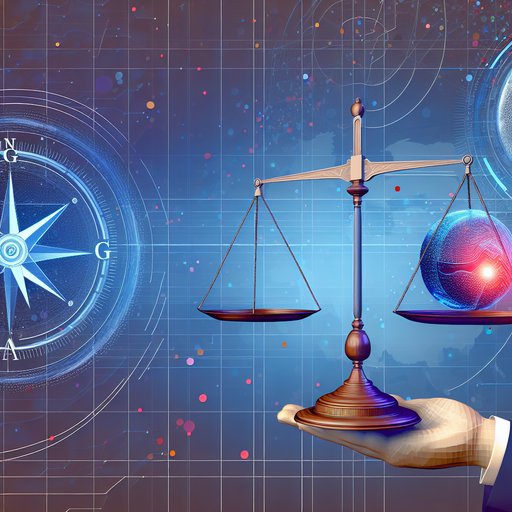
Despite their capabilities, multi-expert models bring forth challenges, particularly in transparency and ethical considerations. The complexity of these models can lead to difficulties in understanding decision-making processes, raising concerns over accountability and bias. Ensuring that these systems operate within ethical frameworks is crucial, especially in sensitive fields such as forensics and decision-making in autonomous systems.
European AI regulations, particularly the forthcoming AI Act, are pivotal in addressing these concerns. By mandating transparency and accountability, they ensure that multi-expert models are developed responsibly, prioritizing societal well-being alongside technological advancement.
Future Outlook: The Path Ahead for Multi-Expert Models
Looking forward, the potential of multi-expert models is vast, with ongoing research focused on enhancing their efficiency and applicability. Innovations in neural architecture design and more sophisticated gating mechanisms are expected to refine these models further, expanding their utility across sectors.
The development of open-source frameworks could democratize access to these advanced models, encouraging collaboration and innovation. As Germany and the broader European tech ecosystem nurture such advancements, the alignment of AI development with rigorous ethical standards remains crucial.
Conclusion: Navigating the Multi-Expert Model Landscape
Multi-expert models represent a transformative approach in AI, marrying complexity with specialization to enhance decision-making. As this technology evolves, balancing innovation with ethical responsibility will be key. Through informed regulation and continued research, multi-expert models promise a future where AI serves humanity more effectively and equitably.
This exploration provides a comprehensive understanding of multi-expert models, illustrating their groundbreaking potential while reflecting on necessary considerations and future implications. With AI at the helm of technological evolution, such insights are invaluable for stakeholders across industries.